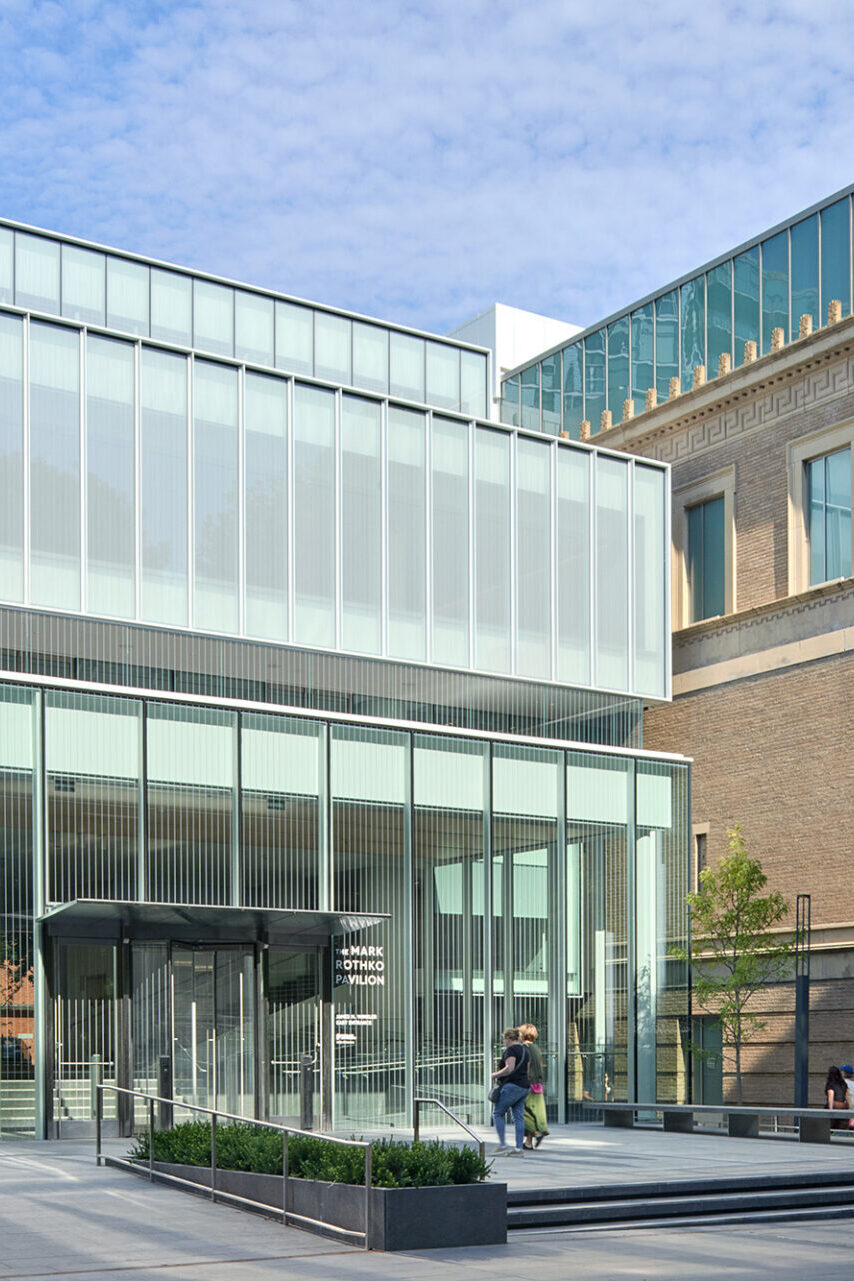
Portland Art Museum Rothko Pavilion
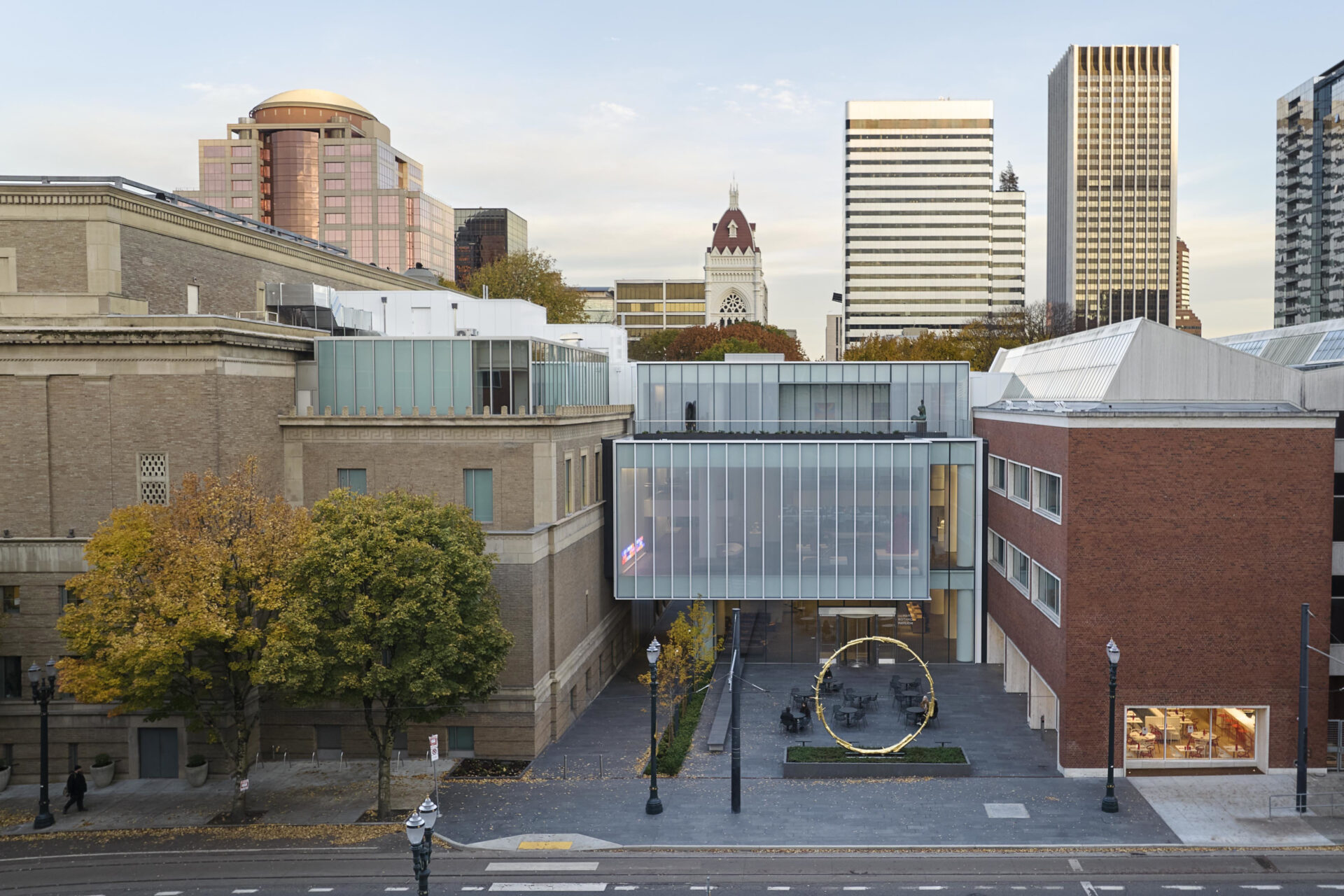
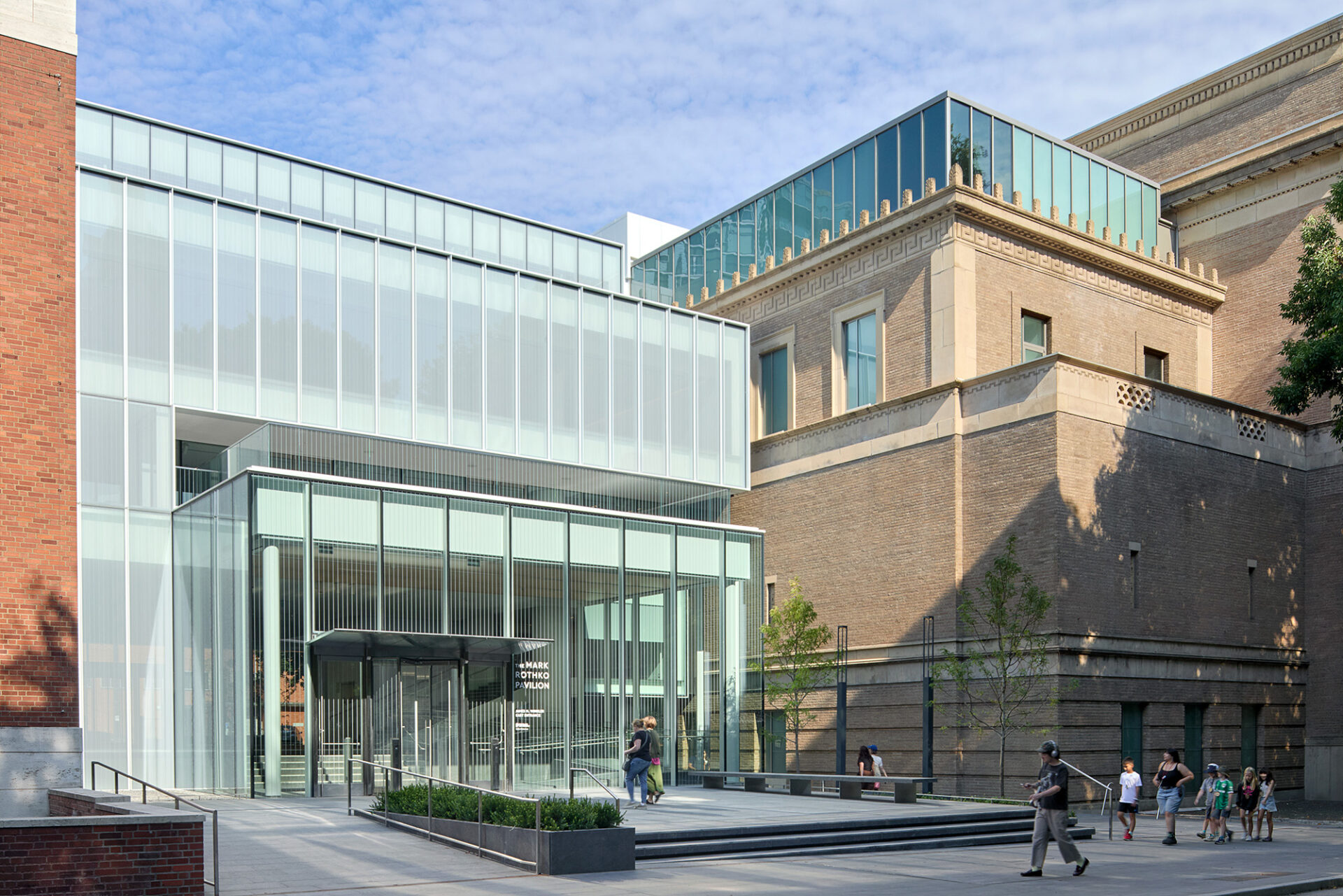
The landscape at the Portland Art Museum’s Rothko Pavilion reimagines the museum campus as a civic threshold—an extension of Portland’s public realm where art, city, and landscape converge. Located along the South Park Blocks, the project transforms formerly fragmented exterior spaces into a cohesive sequence of plazas and passages that welcome movement through the museum while strengthening its relationship to the surrounding neighborhood.

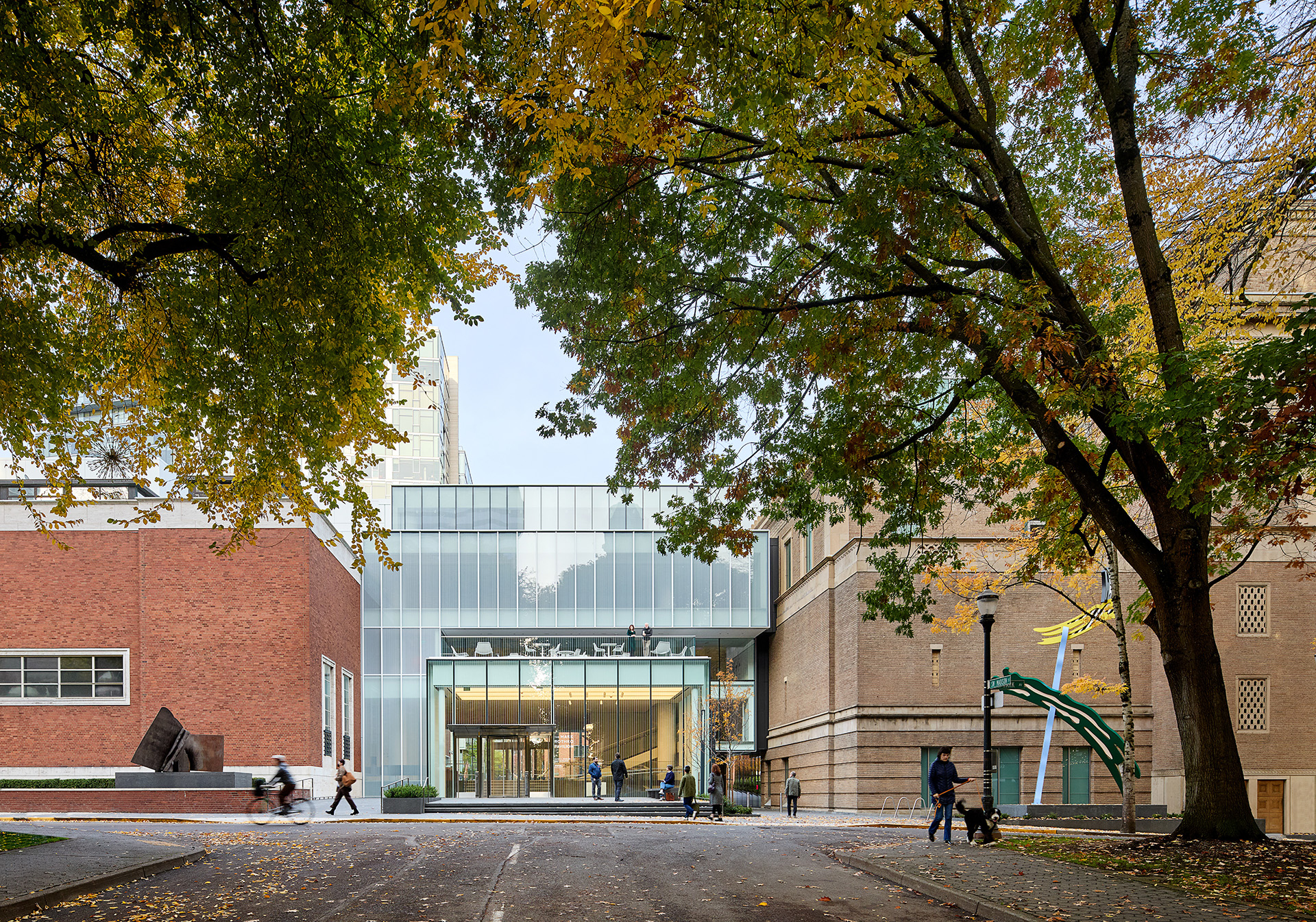
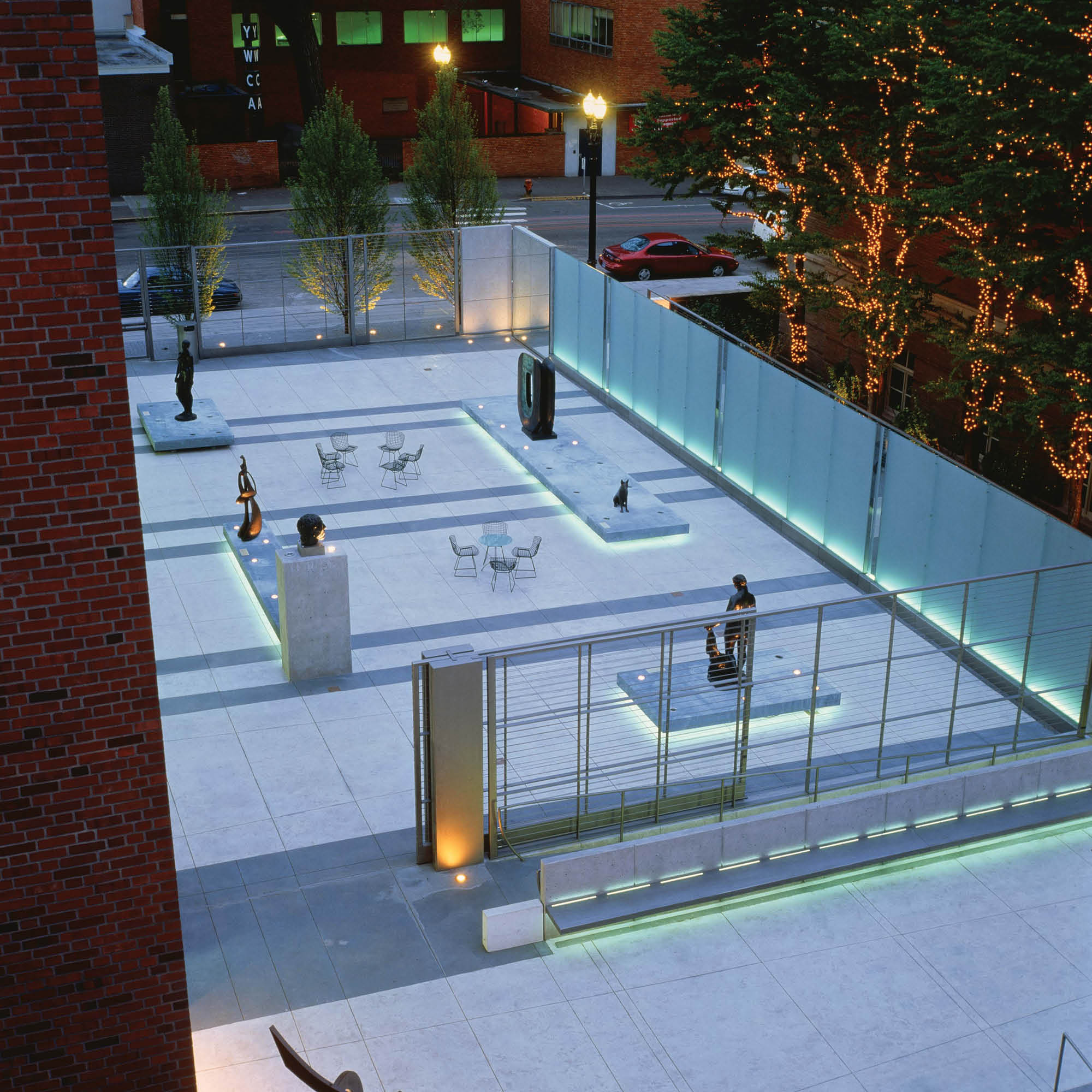
In 2000, as a project for the millennium, ACLA designed and built the museum’s Evan H. Roberts Sculpture Mall, which occupied the site now home to the Rothko Pavilion. With the new project, we revisited our earlier work, reworking the surrounding outdoor spaces to support the pavilion’s role as the museum’s central entrance and connective hub.
As the museum has grown, so has its vision, expanding its reach as a cultural and civic anchor. This evolution called for a landscape that could support increased access, strengthen connections to the city, and reflect the institution’s commitment to openness, accessibility, and community engagement.
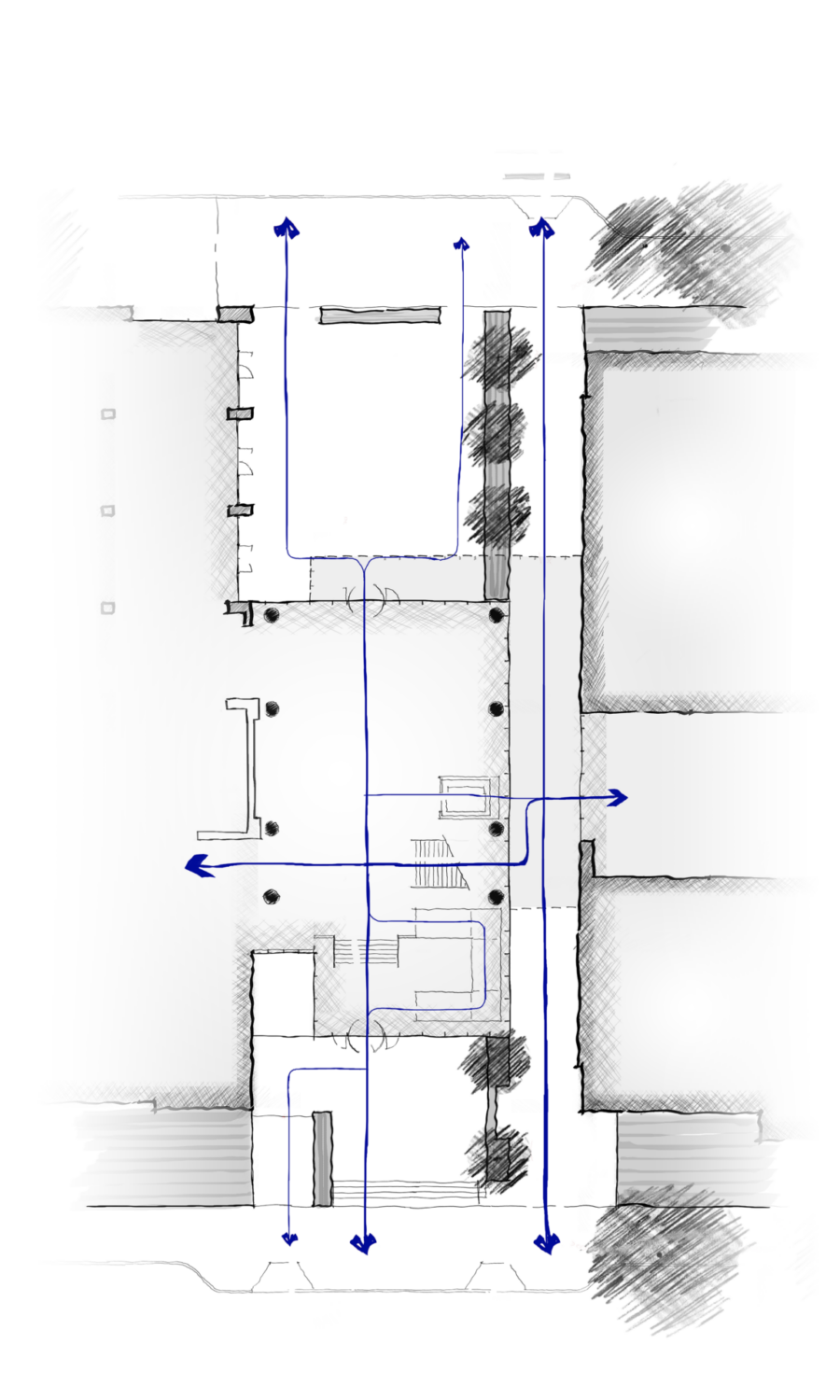
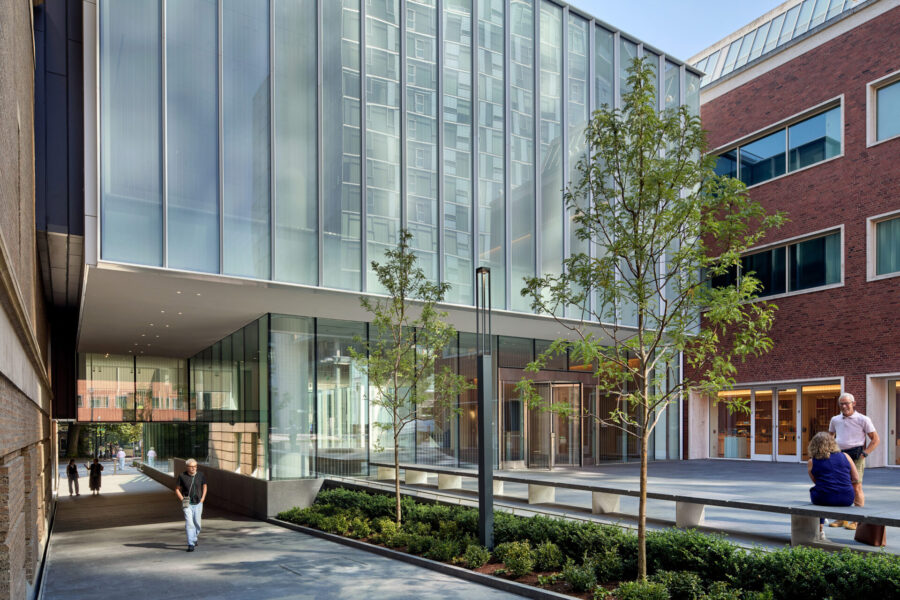
Working closely with the architectural team and Portland based landscape architects Walker Macy, the landscape establishes a clear and generous ground plane that links the historic Belluschi building to the Mark Building while maintaining the site’s long-standing pedestrian and bicycle passage through the block. Subtle grade transitions, durable paving, and carefully integrated site furnishings create an intuitive circulation framework that feels both urban and intimate.
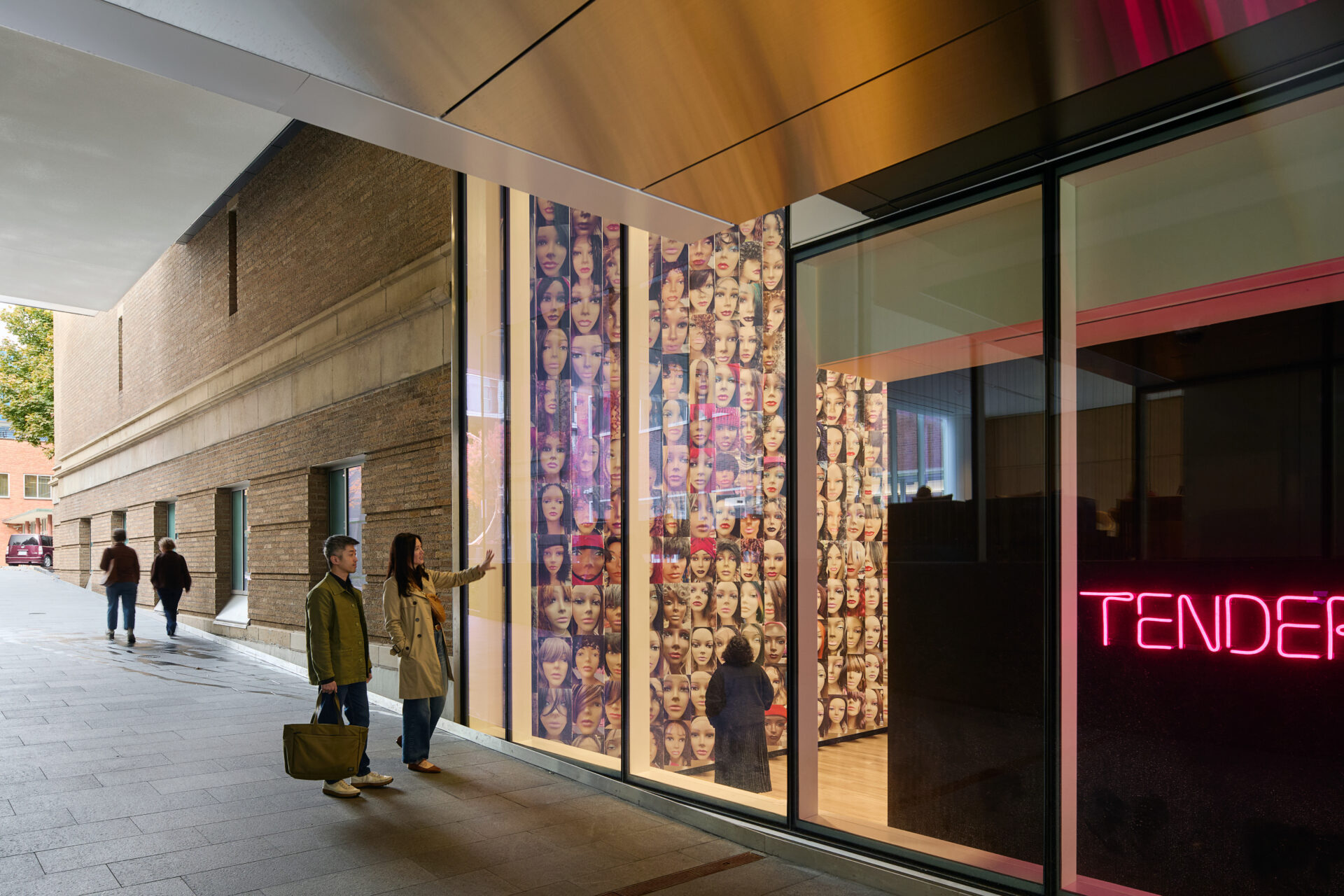
“Brian Ferriso Former Director of Portland Art MuseumIt’s about connectivity — with our audiences more deeply, connecting our audience with art, and, in this age, the audience with each other. People with art, and people with people.
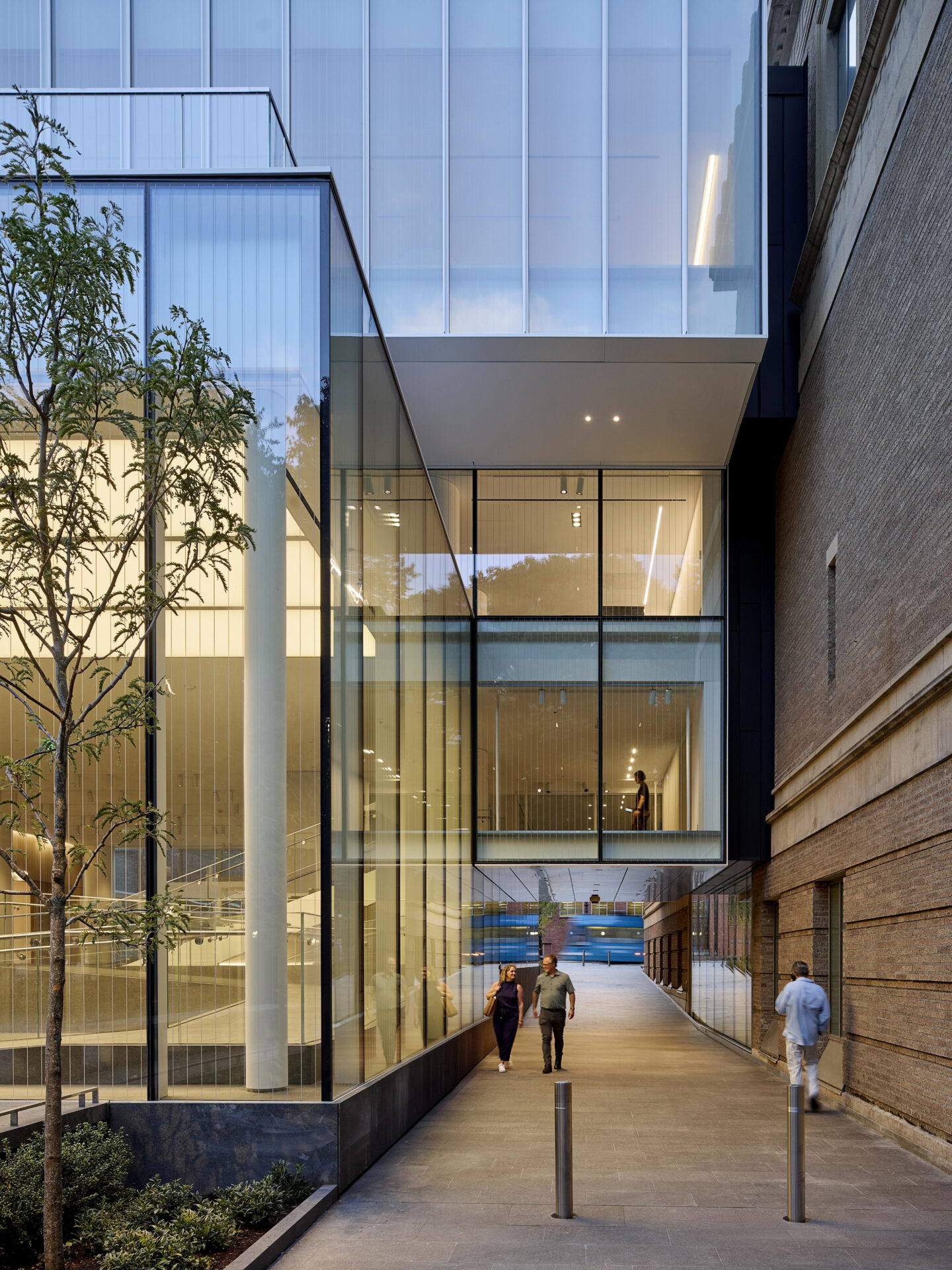
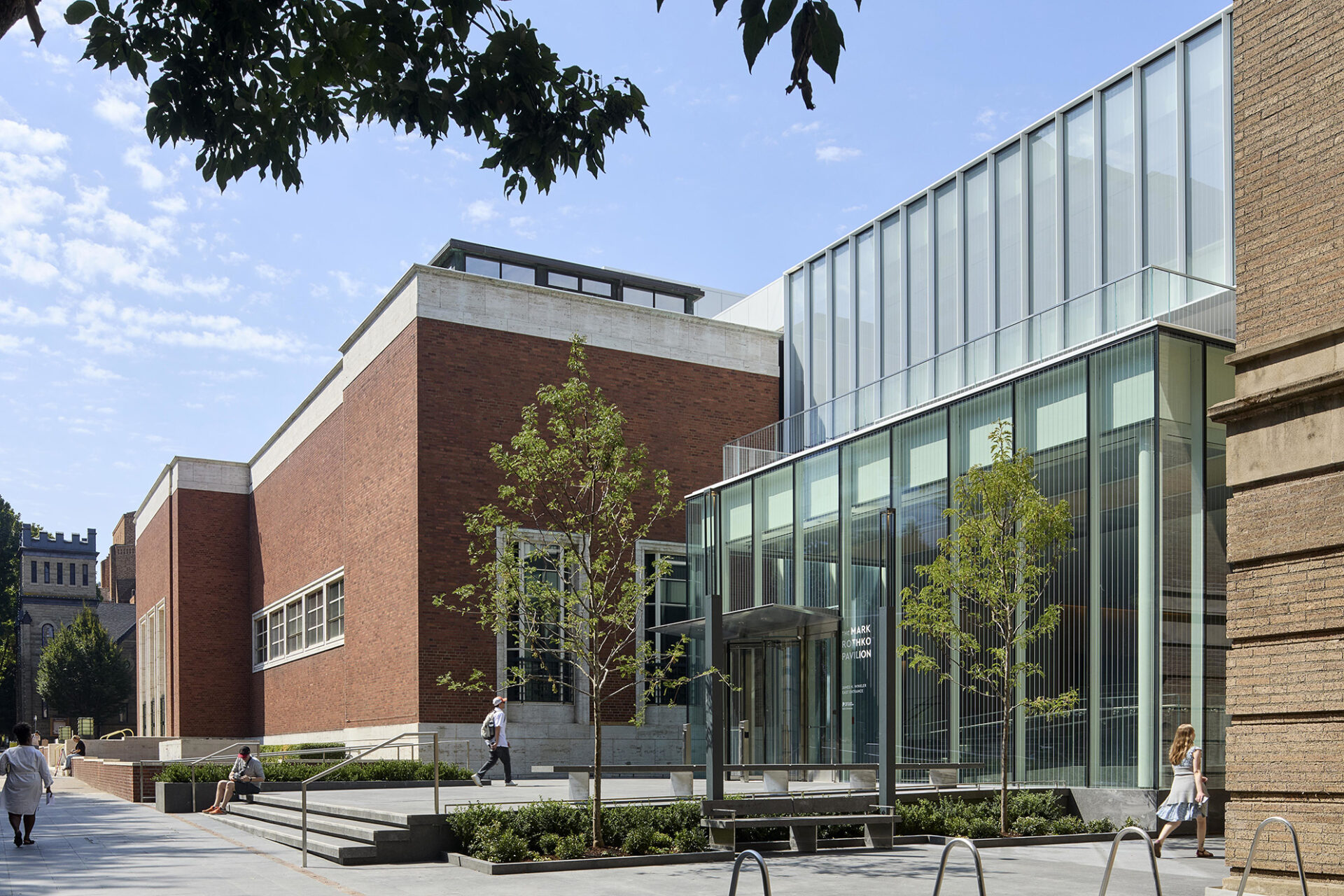
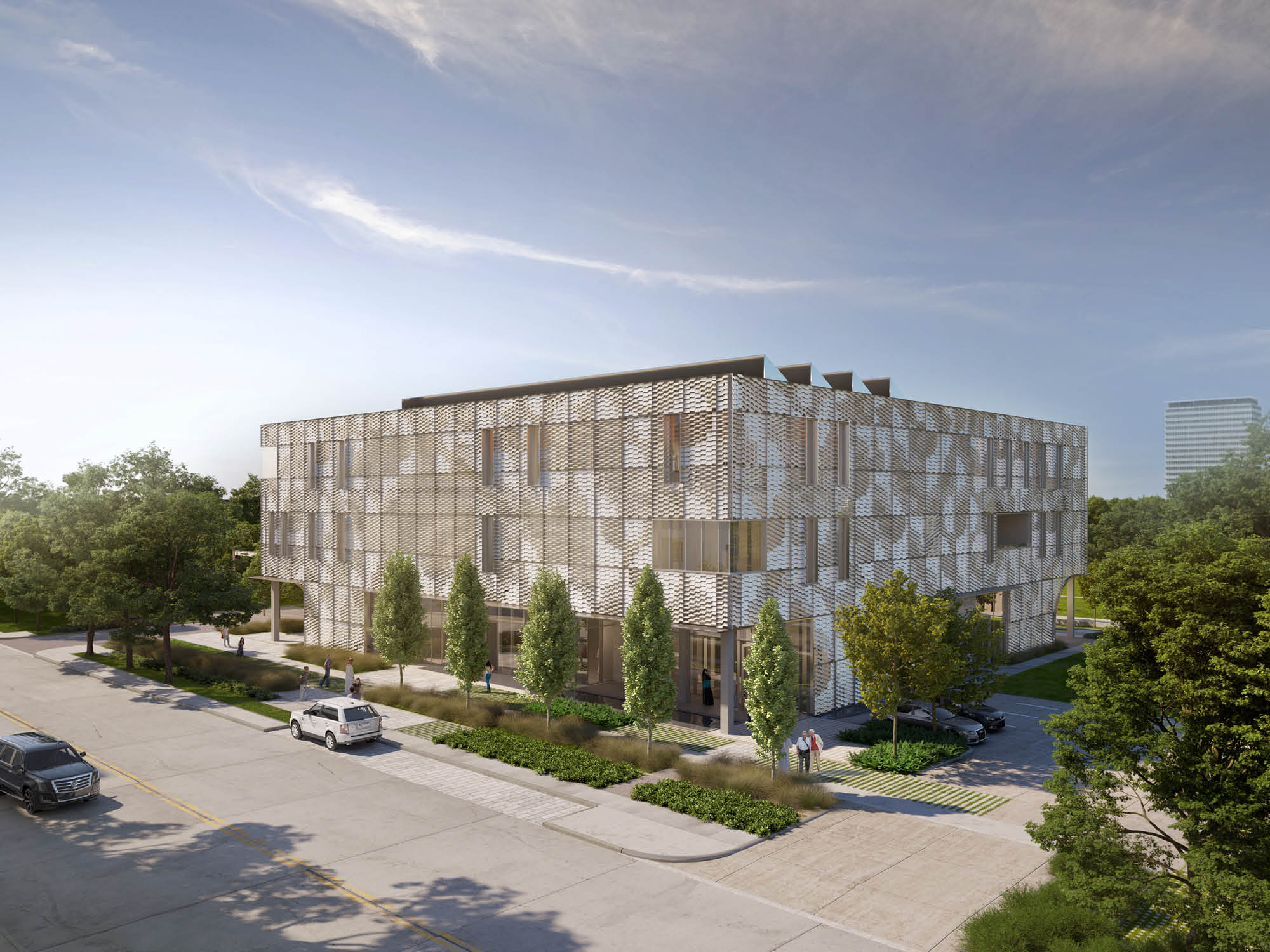
Planting draws from the rhythm of the South Park Blocks while introducing a refined palette that complements the museum’s architecture. Trees frame views to the pavilion and extend the character of Portland’s linear park system into the site, while understated understory planting softens the plazas and provides seasonal variation.
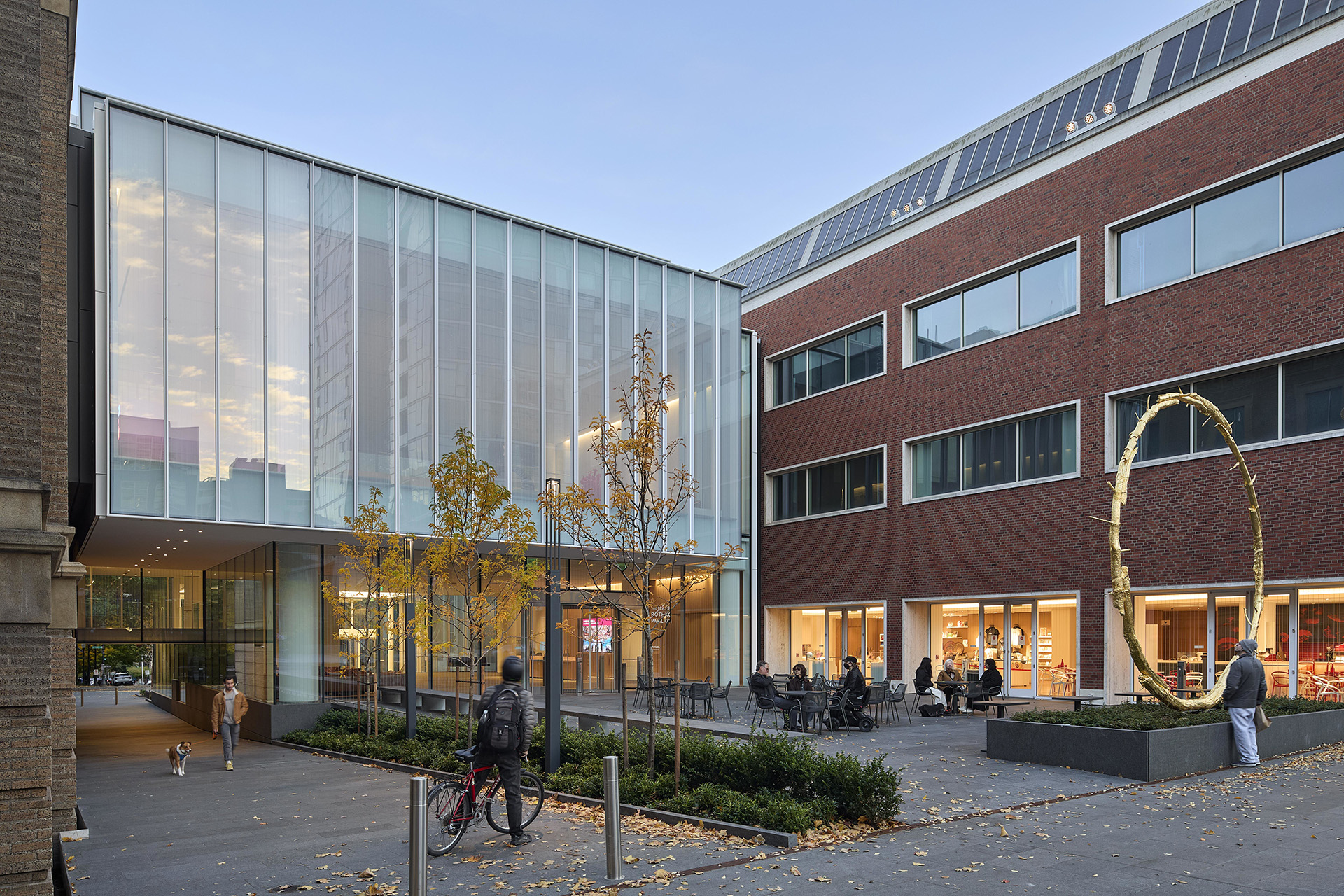
Outdoor spaces also function as an extension of the museum experience. Sculptures from the museum’s collection are placed within the plazas, creating an open-air gallery accessible to visitors and passersby alike. The resulting landscape foregrounds accessibility, encourages public life, and reinforces the museum’s presence as a cultural anchor within downtown Portland.